Do you know your risk for osteoporosis?
Osteoporosis can affect anyone at any age. Answer these questions to learn your risk and what you can do to keep your bones healthy.
Our bones are the unsung heroes of our bodies. They help us walk and move through life. By our late 20s, our bones are as strong and dense as they’ll ever be. In the years that come, we slowly start losing bone. Osteoporosis — a disease that weakens bones and makes them more likely to break — is incredibly common as we get older. One in two women will break a bone due to osteoporosis in their lifetime. So will up to one in four men.
Unfortunately, bone loss can start sooner than you might think. Half of Americans over age 50 are at risk for breaking a bone due to low bone density, according to the National Osteoporosis Foundation. And in older people, fractures can lead to long-lasting problems. One study found that older people with hip fractures had a higher risk of death during the 10 years after their injury. Those who fractured other bones, such as the legs, had a higher risk of death for five years afterward.
Thankfully, you’re not guaranteed to get osteoporosis.
“Many people believe that osteoporosis is a natural part of aging,” says internist Kristen Vealey, M.D. “This isn’t true. A healthy diet, regular exercise and maintaining a healthy lifestyle can have a big impact.”
Even people who do have osteoporosis can manage the condition by making healthy choices, she adds.
Knowing your risk of osteoporosis is the first step toward keeping your bones healthy. It helps you see what you can do to have the biggest impact on preventing bone loss. To get started, answer these questions.
1. Have you gone through menopause?
A: Yes
B: No
If you answered yes, your risk of developing osteoporosis is higher than that of both women who haven’t gone through menopause and men. That’s because during menopause, the female hormone estrogen falls to a very low level. Estrogen helps bones grow and stay strong. So when your levels drop, your bones may become more frail. That means you’re more prone to fractures and osteoporosis.
To keep tabs on your bone health, the American College of Obstetricians and Gynecologists recommends that women 65 and older get a bone mineral density test. Women under 65 who are past menopause should also get tested if they have other risk factors. Your doctor can tell you what’s best for you. Testing is done every 15 years if your bone mass is normal or you have only mild loss. You may need testing more often if your bone loss is greater.
Boost your bone health with Silver&Fit®
This discounted fitness center membership makes it easy to go to a fitness center near you.
The Silver&Fit program isn't available for some HMSA Akamai Advantage employer group plan members. Check your Evidence of Coverage.
2. Do you do weight-bearing activities as part of your exercise routine?
A: Yes
B: No
Skipping exercise or doing only activities where you’re off your feet (swimming, stretching or riding a bike, for example) puts your bones at higher risk for fracture. Why? Weight-bearing exercises are best for slowing bone loss. Activities in which your bones support your weight include:
- Walking
- Dancing
- Climbing stairs
- Yardwork
- Jogging
- Low-impact aerobics
The reason it helps: Putting stress on your bones causes your body to build stronger, denser bones. It tells cells that build bones to get to work.
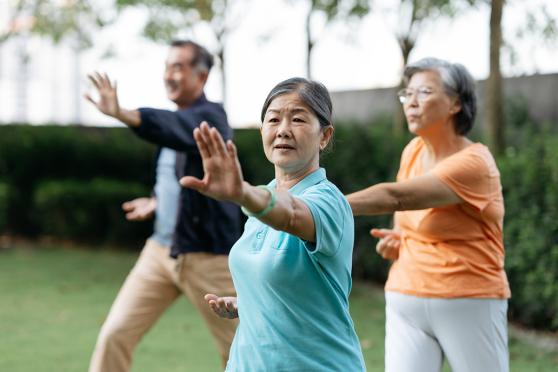
“Aim for 20 to 40 minutes of weight-bearing exercise at least four days per week,” says rheumatologist Alan R. Schenk, M.D. But don’t stop doing things that help you stay flexible and build balance, such as stretching or yoga. They can help you stay steady on your feet, reducing your fall risk and the likelihood you’ll break a bone.
3. Do you smoke?
A: Yes
B: No
Add weaker bones to the long list of ways smoking can harm your body. Here are some of the ways smoking is bad for bones:
- It slows the flow of blood through your body. Blood carries oxygen that keeps bones healthy and helps them heal.
- It hurts your ability to absorb calcium, which bones need to stay strong.
- It breaks down estrogen, a hormone that helps build strong bones.
- It slows the production of bone-building cells.
If you smoke, it’s best to quit as soon as possible for your bone health (and so much more). Your doctor can help you create a quit plan.
4. Do you have a family history of fractures?
A: Yes
B: No
Osteoporosis tends to run in families. If you have a parent or sibling with osteoporosis, or a parent who fractured a hip, you’re at a higher risk than someone without that family history. If you inherited your mother’s delicate wrists, you may also be more likely to have weaker bones later in life. People with smaller frames are at higher risk for osteoporosis than people with other body types.
5. Do you have any of the following?
A: Type 1 diabetes
B: Lupus
C: Rheumatoid arthritis
People with any of these autoimmune diseases have a higher risk for bone loss and osteoporosis. (These are conditions that cause the immune system to overreact to certain triggers, causing unpleasant, sometimes dangerous symptoms.) Medicines used to treat those diseases, such as steroids, can sometimes speed up bone thinning as well.
For these reasons, people with autoimmune diseases should talk to their doctors about being tested sooner. “It can lead to earlier detection, and when necessary, early treatment,” says Dr. Vealey. All of which can help you stay mobile well into your later years.
6. Do you eat a lot of foods that are high in calcium, such as dairy products, leafy greens and fortified cereals?
A: Yes
B: No
Calcium is key for healthy bones. “Our bodies don’t make it, so it’s extra important to get enough from your diet. Aim for 1,000 to 1,200 mg of calcium daily,” Dr. Schenk says. Also key: vitamin D, which helps us absorb calcium. A simple blood test will help determine how much vitamin D you need. Talk to your doctor for advice on calcium and vitamin D.
The takeaway
People with osteoporosis can lead healthy, active lives when they take proactive steps to protect their bones. Exercising regularly and eating well can keep your bones healthy. If you’ve already received an osteoporosis diagnosis, medications may help too. Talk to your doctor about your personal risk factors and when to start screenings.
Sources:
Healthy bones at every age: American Academy of Orthopaedic Surgeons
Osteoporosis facts: National Osteoporosis Foundation
Risks associated with breaking bones: The Journal of Clinical Endocrinology & Metabolism
Osteoporosis facts related to calcium, vitamin D, menopause, smoking, and body type: Mayo Clinic
Exercises that help slow bone loss: Mayo Clinic
Weight-bearing exercise and slowing bone loss: Harvard Medical School Harvard Health Publishing.
Why smoking is bad for bones: Rush University System for Health
Osteoporosis and genetics: American Journal of Preventive Medicine
H3832_8750_1295101_3MDD2253_26_C | H8481_8750_1295101_3MDD2260_26_C
© 2025, Linkwell Health, Inc. All content owned or licensed by Linkwell Health, Inc. All rights reserved.